Biography

There was some anxious discussion between King and Flinders as to the best course to follow for the expeditious completion of the survey of the coasts of Australia. The Investigator being no longer fit for the service, consideration was given to the qualifications of the Lady Nelson, the Porpoise, the Francis, and the Buffalo, all of which were under the Governor's direction. King was most willing to give his concurrence and assistance in any plan that might be considered expedient.

When Bligh's expedition returned, Europe was staggering under the shock of the French Revolution. The head of Louis XVI was severed in January; the knife of Charlotte Corday was plunged into the heart of Marat in July; Marie Antoinette, the grey discrowned Queen of thirty-eight, mounted the scaffold in October. The guillotine was very busy, and France was frantic amid internal disruption and the menace of a ring of foes.

Governor King received the news of the wreck of the Porpoise immediately after the arrival of the Hope in Port Jackson, on the evening of September 8th. King and his family were at dinner when to his great amazement Flinders was announced.

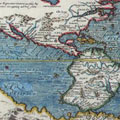
In order that the importance of the work done by Flinders may be adequately appreciated, it is necessary to understand the state of information concerning Australian geography before the time of his discoveries. Not only did he complete the main outlines of the map of the continent, but he filled in many details in parts that had been traversed by his predecessors.

Charles Mathieu Isidore Decaen was born at Caen, the ancient and picturesque capital of Normandy, on April 13th, 1769. Left an orphan at the age of twelve, his education was superintended by a friend of his father, who had been a public official. At the end of his schooldays he studied law under an advocate of local celebrity, M. Lasseret.

With an Account of His Life During the Previous and Intervening Periods

by A. Kippis

Syndicate content