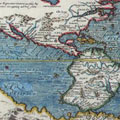
North America

An Account of the Exploration of the Nascaupee and George Rivers

The night was very still when I awoke, but it was cold. Frost sparkled in the moonlight on willows and low growth, and when at first sign of dawn I reached for my stockings and duffel to put them on, they were frozen stiff. I did not wait to hunt out dry ones, but slipped them on for I was too anxious to be on the march again. I meant to go on to Ungava now, no matter what befell; _perhaps_ we could yet be in time for the ship. She might be delayed.

This book is the result of a determination on my part to complete Mr. Hubbard's unfinished work, and having done this to set before the public a plain statement, not only of my own journey, but of his as well. For this reason I have included the greater part of Mr. Hubbard's diary, which he kept during the trip, and which it will be seen is published exactly as he wrote it, and also George Elson's account of the last few days together, and his own subsequent efforts.

On Sunday morning, August 20th, I awoke in a state of expectancy. We had slept three times since leaving the Montagnais camp, and unless the Barren Grounds People were not now in their accustomed camping place, we ought to see them before night. Many thoughts came of how greatly Mr. Hubbard had wished to see them, and what a privilege he would have thought it to be able to visit them.

In January, 1866, Bishop Simpson, of the Methodist Church, startled the country with the declaration, made at a public meeting at Cooper Institute, that the prostitutes of New York City were as numerous as the members of the Methodist Church. The following letter of Mr. John A. Kennedy, Superintendent of the Metropolitan Police, furnishes the most authentic statement of the facts of the case:

The old graveyards of New York were located in what is now the heart of the city; and, with the exception of the churchyards, have all passed away. There are now, with the exception of the cemetery of Trinity Church, which is located near Washington Heights, no graveyards in use on the island. Interments are made either on the main land, or on Long Island. The principal, and best known cemetery, is Greenwood.

                     GREENWOOD.

There is located on the East river side of the great city, an establishment which has been but lately introduced. It is the Morgue, or Dead House, and is modelled after the famous place of the same name in Paris. Bodies found in the streets, or in the harbor, are brought here and left a certain time for identification. Each article of clothing found upon them, or any trinket, or other property, which might lead to the discovery of the name and friends of the dead, is carefully preserved. Bodies properly identified are surrendered to the friends of the deceased.

Strangers have observed with surprise the quietness which reigns within the city limits on the Sabbath day. The streets have a cleaner, fresher look, and with the exception of the Bowery and Chatham street, are closed to trade. The wharves are hushed and still, and the river and bay lie calm and subdued in the light of the Sabbath sun. Everybody seems trying to look as neat and as clean as possible. The cars run on Sunday, as in the week.

There are over one hundred houses of assignation in New York, known to the police. Besides these, there are places, used as such, which the officials of the law do not and cannot embrace in the general term. These are cheap hotels, where women hire rooms without meals, and receive visitors, with whom they make appointments on the streets, or in the places of amusement. Some really good houses have been ruined in this way.

There are three thousand lawyers practicing at the New York bar. A few of these have large incomes, two or three making as much as fifty thousand dollars per annum; but the average income of the majority is limited. An income of ten or fifteen thousand dollars is considered large in the profession, and the number of those earning such a sum is small.

Syndicate content