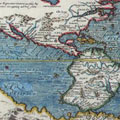
Africa

Sketch of the History of Morocco - Road from Tangiers - Simplicity of the Peasants - Moors hospitable - Arrive at a Village - The ancient Zelis - Public Accommodations - Much infested with Vermin - Arzilla, a ruinous walled Town - Arrive at Larache.

Larache, January 1806.

Before I proceed to give you the particulars of my journey to this place, I shall fulfil tho promise I made you in my last.

Moorish Character - Form of Devotion - Meals - Revenue - Poll-tax on the Jews - Royal Carriages - Ostrich-riding - Public Schools - Watch-dogs.

Mequinez.

1920

by Edith Wharton

I

Having begun my book with the statement that Morocco still lacks a guide-book, I should have wished to take a first step toward remedying that deficiency.

I

LEAVING TANGIER

To step on board a steamer in a Spanish port, and three hours later to land in a country without a guide-book, is a sensation to rouse the hunger of the repletest sight-seer.

I

VOLUBILIS

One day before sunrise we set out from Rabat for the ruins of Roman Volubilis.

I

THE FIRST VISION

Many-walled Fez rose up before us out of the plain toward the end of the day.

I

THE WAY THERE

There are countless Arab tales of evil Djinns who take the form of sandstorms and hot winds to overwhelm exhausted travellers.

I

THE CROWD IN THE STREET

To occidental travellers the most vivid impression produced by a first contact with the Near East is the surprise of being in a country where the human element increases instead of diminishing the delight of the eye.

I

It is not too much to say that General Lyautey has twice saved Morocco from destruction: once in 1912, when the inertia and double-dealing of Abd-el-Hafid abandoned the country to the rebellious tribes who had attacked him in Fez, and the second time in August, 1914, when Germany declared war on France.

Syndicate content