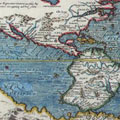
United States

  First settlement of the missionaries 
  Population 
  Characteristics of white population 
  Employments 
  Pleasures and amusements 
  Position of women 

The following is an official account of a visit paid to the gold region in July by Colonel Mason, who had been appointed to the military command in California, and made his report to the authorities at Washington. It is dated from head-quarters at Monterey, August 17, 1848.

A Description of Its Soil, Climate, Productions, and Gold Mines; with the Best Routes and Latest Information for Intending Emigrants. To which is annexed, an Appendix Containing official documents and letters authenticating the accounts of the quantities of gold found, with its actual value ascertained by chemical assay. Also late communications containing accounts of the highest interest and importance from the gold districts.

by Edwin Bryan

1849

  Mode of procuring the Gold 
  Extent of Gold Region 
  Price of Provisions.

It will be seen, from the later accounts that each new report continues to realize the wildest expectation. The following letter dated Monterey, November 16th, is highly interesting -

  Its political and social institutions 
  Colorado River 
  Valley and river of San Joaquin 
  Former government 
  Presidios 
  Missions 
  Ports and commerce.

An hour or so after making our camp, we began to doubt the wisdom of our choice of a location, for a downpour of rain threatened to send a stream of water under the tent. The stream was easily turned aside, while a door and numerous boards found in the drift pile, made a very good floor for the tent and lifted our sleeping bags off the wet sand. We had little trouble in this section to find sufficient driftwood for fires. The pile at this camp was enormous, and had evidently been gathering for years.

It is a dogged courage of which the author of this book is the serene possessor - shared equally by his daring brother; and evidence of this bravery is made plain throughout the following pages. Every youth who has in him a spark of adventure will kindle with desire to battle his way also from Green River to the foot of Bright Angel Trail; while every man whose bones have been stiffened and his breath made short by the years, will remember wistfully such wild tastes of risk and conquest that he, too, rejoiced in when he was young.

We passed Loper's claim after resuming our journey the next day. His workings were a one-man proposition and very ingenious. We found a tunnel in the gravel a hundred feet above the river, and some distance back from the river bank. A track of light rails ran from the river bank to these workings; the gravel and sand was loaded into a car, and hauled or pushed to the bank, then dumped into a chute, which sent it down to the river's edge.

This is a simple narrative of our recent photographic trip down the Green and Colorado rivers in rowboats - our observations and impressions. It is not intended to replace in any way the books published by others covering a similar journey. Major J.W. Powell's report of the original exploration, for instance, is a classic, literary and geological; and searchers after excellence may well be recommended to his admirable work.

Syndicate content